There are various pathways to immigrate to Canada, and all of them require identity and professional documentation. Whether you intend to obtain permanent residence or simply visit Canada as a tourist, Iranian applicants must prepare the necessary documents for entry based on their specific purpose.
In addition to preparing documents, there is also a stage known as credential assessment, during which the authenticity and completeness of submitted documents are evaluated. In this article, Hermes Immigration Institute reviews the required documents for immigration to Canada and explains the credential assessment process based on information from the official website of Immigration, Refugees and Citizenship Canada (IRCC).
Required Documents for Immigration to Canada
The documents required for immigration to Canada are generally divided into two categories:
- General documents that are required regardless of the immigration pathway
- Program-specific documents that depend on the type of visa or immigration stream you choose
For example, a valid passport is required for all applicants, while a work resume is not necessary for study permits but a letter of acceptance from a university is mandatory.
Below are the most common required documents:
Valid Passport
Your passport must have sufficient validity (typically at least six months).
Language Proficiency Certificate
Depending on the province and immigration pathway, you must provide proof of English or French proficiency.
Passport-Sized Photos
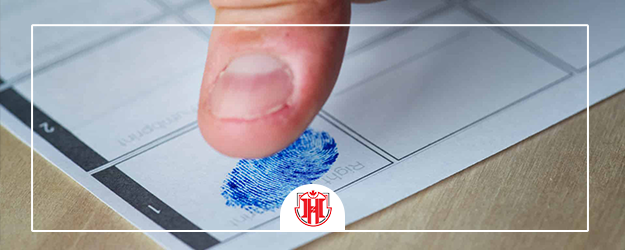
A standard passport photo, in addition to biometric photos, is required.
Marriage Certificate and Children’s Birth Certificates
If you are married or have children, official translations of your marriage certificate and children’s birth certificates are required, especially for dependent visa applications.
Proof of Financial Support
Unless you have a financial sponsor or a scholarship, you must demonstrate sufficient funds.
Bank Statements
Applicants from Iran are typically required to provide three to six months of bank transaction history.
Work or Academic Resume
Depending on your immigration pathway, you may need to submit an academic CV, work resume, or both. Tourist visa applicants are generally exempt from this requirement.
Visa Fee Payment Receipt
All visa types require online payment of application fees, and you must retain the official receipt.
Police Clearance Certificate and Medical Examination
Depending on the immigration category and personal circumstances, you may be required to provide:
- A police clearance certificate proving no criminal record
- A medical examination confirming good health
For study permits, additional documents such as a letter of recommendation and a statement of purpose are typically required. Without these, obtaining admission is not possible.
Paying Immigration Fees
For all Canadian immigration pathways, applicants must pay the required processing fees and provide proof of payment.
The official online payment system is available through the IRCC website. The general steps for payment are as follows:
- Select the country of payment
Indicate the country from which you are making the payment (e.g., Iran). - Choose the type of application
Select from temporary residence, permanent residence, family sponsorship, citizenship, or other available options. - Select the payment category
This depends on the previous selection. For example, under temporary residence, you may choose a work permit, study permit, or visitor visa. - Complete the online payment
Fees vary depending on the visa type. Payments must be made online using a valid credit card.
It is highly recommended to save or print your payment confirmation for future reference.
Required Immigration Forms
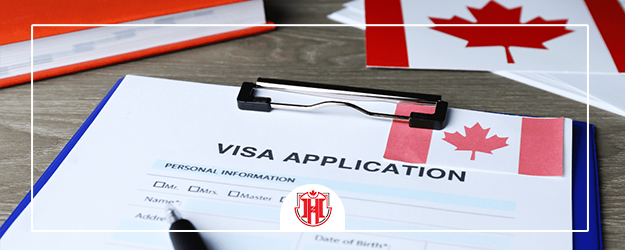
Completing immigration forms is a mandatory part of the application process. These forms are available online or in PDF format on the IRCC website.
Applicants may either:
- Download and complete a full application package, or
- Complete individual forms separately as needed
To access the full package, select your immigration pathway on the IRCC website. Options may include:
- Sponsoring a family member
- Studying in Canada
- Working in Canada
- Visiting Canada
All required forms must be completed accurately and submitted along with supporting documents for assessment.
How Are Immigration Credentials Assessed?
Credential assessment is a critical part of the Canadian immigration process. All documents must be verified by the appropriate authority to confirm authenticity and equivalency.
Depending on the immigration pathway, different organizations may conduct the evaluation.
For example, if you plan to continue your education or apply through certain economic immigration programs, your credentials may need to be assessed by World Education Services (WES).
WES offers three main types of evaluations:
- Course-by-Course Evaluation
- Document-by-Document Evaluation
- Evaluation for Immigration (ECA – Educational Credential Assessment)
Applicants pursuing employment or further studies typically use the Document-by-Document evaluation. Those applying through economic immigration programs such as Express Entry usually require an Evaluation for Immigration (ECA).
Original academic documents and official transcripts must be translated into English or French before submission.
Best Practices for Credential Assessment
One common issue applicants face is document deficiencies identified during the evaluation process. This can result in missed deadlines or even visa refusal.
To minimize risk:
- Carefully review document requirements for your chosen pathway
- Ensure all translations are official
- Submit complete and accurate documentation
- Allow sufficient time before application deadlines
Final Remarks
Credential assessment is a fundamental step in the Canadian immigration process and plays a crucial role in ensuring a smooth application.
Applicants should prepare all required documents meticulously, obtain certified translations where necessary, and submit them in a timely and organized manner to avoid complications.
Immigration is not just about filling out forms. It is about precision, timing, and documentation discipline. Canada may be polite, but its paperwork absolutely is not.